English Foxhound
The Classic British Scent Hound
By BreedGuessr · Dog breed learning game maintainers · Published · Updated
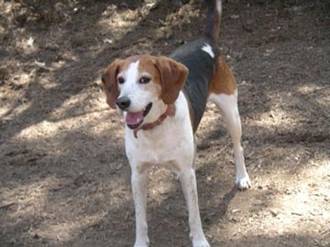
What is the English Foxhound?
The English Foxhound is a dog breed from England, 18th century with about 24 inches at withers tall, a any hound colour coat, and a typical lifespan of 11-13 years.
England, 18th century
11-13 years
24 inches at withers
Muscular, straight-boned legs
Any hound colour
Rounded, cat-like
What is the English Foxhound temperament?
English Foxhounds are driven, pack-oriented hunters with an exceptional sense of smell and tireless stamina.
Bred for centuries to work in coordinated groups, they thrive on chase and scent work, displaying determination and focus during the hunt. These dogs are energetic and require substantial exercise, making them better suited to active homes or working environments than apartment living. Despite their intensity in the field, they can be affectionate with their handlers and loyal pack members.
Where did the English Foxhound come from?
The English Foxhound has over two centuries of documented breeding history, with studbooks dating back before 1800—making it one of the most carefully tracked dog breeds in history.
During British rule in India, these hounds were exported for jackal coursing, where they were preferred over greyhounds because their slower pace provided a longer, more sporting chase. The breed's meticulous record-keeping reflects the British obsession with fox hunting and selective breeding for superior scent-tracking abilities.
What health and care needs does the English Foxhound have?
English Foxhounds are generally hardy dogs, though their intense breeding for hunting performance means they require substantial exercise to prevent behavioral issues.
Hip dysplasia can occur in the breed, so responsible breeding practices with health screening are important. Their pack-hunting heritage means they may have high prey drive and can be prone to ear infections if not properly maintained.
Which breeds look similar to the English Foxhound?
The English Foxhound is useful to compare with Afghan Hound, Beagle, Black-and-tan Coonhound, and Bloodhound when practicing similar breed recognition.
How hard is the English Foxhound to recognize in BreedGuessr?
The English Foxhound gets easier to recognize in BreedGuessr when players focus on its England, 18th century origin, any hound colour coat, and 24 inches at withers outline before choosing an answer.
BreedGuessr reinforces those clues with real dog photos, multiple-choice comparisons, and quick links back to breed guides before you play another round.
What makes the English Foxhound memorable?
A memorable English Foxhound fact is this: English Foxhounds have been so carefully bred and documented for over 200 years that their pedigrees are among the most complete of any dog breed.
- English Foxhounds have been so carefully bred and documented for over 200 years that their pedigrees are among the most complete of any dog breed.
- The breed's cat-like paws are a distinctive feature that helps them traverse rough terrain during hunts.
- English Foxhounds were preferred for jackal hunting in colonial India because their moderate speed made the chase more exciting than faster greyhounds.
- The thick skull and long muzzle of English Foxhounds are perfectly adapted for their role as scent hounds, allowing them to pick up and track subtle odor trails.
- English Foxhounds typically work in coordinated packs, communicating through distinctive baying that hunters use to track their location across countryside.
- Despite their expertise as hunters, English Foxhounds struggled to thrive in India's hot climate, rarely living long in the region.
Source: Wikipedia. Image: Wikimedia Commons (CC BY-SA 3.0)