Eskimo Dog
The Arctic Working Legend
By BreedGuessr · Dog breed learning game maintainers · Published · Updated
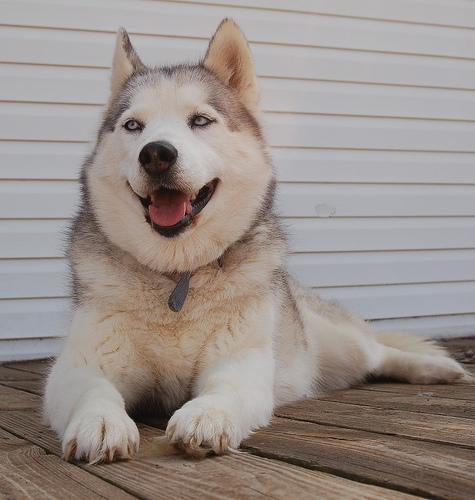
What is the Eskimo Dog?
The Eskimo Dog is a dog breed from Canadian Arctic, brought by Thule people ~2000 years ago with about 50-65 cm (20-26 inches) tall, about 30-40 kg (66-88 lbs), a double coat, heavily feathered tail, erect triangular ears coat, and a typical lifespan of 12-14 years.
Canadian Arctic, brought by Thule people ~2000 years ago
12-14 years
30-40 kg (66-88 lbs)
50-65 cm (20-26 inches)
Double coat, heavily feathered tail, erect triangular ears
Powerfully built, athletic, designed for hard work not speed
What is the Eskimo Dog temperament?
Canadian Eskimo Dogs are resilient, loyal companions with an intense work ethic bred into their bones.
They possess remarkable endurance and determination, thriving in harsh conditions where other breeds would struggle. These dogs are deeply bonded to their handlers and display an intelligent, independent nature shaped by thousands of years of survival in the Arctic. Despite their wolf-like appearance, they are devoted and dependable working partners that form strong pack bonds.
Where did the Eskimo Dog come from?
The Canadian Eskimo Dog arrived in North America with the Thule people approximately 2,000 years ago, replacing earlier dog populations across the Arctic.
For centuries, these dogs were the backbone of Inuit transportation and survival, pulling sleds across vast frozen territories and becoming inseparable from Arctic culture. The breed's decline accelerated in the 1960s with the introduction of snowmobiles, and a tragic chapter saw RCMP-led cullings between 1950-1970. Today, with only about 300 purebred dogs remaining, the breed faces extinction but has become a symbol of Indigenous heritage and Arctic resilience.
What health and care needs does the Eskimo Dog have?
As an ancient Arctic breed, Canadian Eskimo Dogs are generally hardy with few breed-specific health issues, though responsible breeding practices are critical given their critically low population.
Hip dysplasia and eye conditions can occur, so health screening is important for any breeding programs. The breed's isolation in Arctic conditions historically provided natural disease resistance, though modern infectious canine diseases pose risks to the small remaining population.
Which breeds look similar to the Eskimo Dog?
The Eskimo Dog is useful to compare with Affenpinscher, Afghan Hound, African Hunting Dog, and Airedale when practicing similar breed recognition.
How hard is the Eskimo Dog to recognize in BreedGuessr?
The Eskimo Dog gets easier to recognize in BreedGuessr when players focus on its Canadian Arctic, brought by Thule people ~2000 years ago origin, double coat, heavily feathered tail, erect triangular ears coat, and 50-65 cm (20-26 inches) outline before choosing an answer.
BreedGuessr reinforces those clues with real dog photos, multiple-choice comparisons, and quick links back to breed guides before you play another round.
What makes the Eskimo Dog memorable?
A memorable Eskimo Dog fact is this: The breed's DNA contains a unique maternal haplotype (A31) found nowhere else in modern dogs, with the closest match being a 1,000-year-old dog from Florida.
- The breed's DNA contains a unique maternal haplotype (A31) found nowhere else in modern dogs, with the closest match being a 1,000-year-old dog from Florida.
- Early Arctic explorers noted these dogs resembled wolves so closely that they tracked the absence of black wrist marks to distinguish them.
- Canadian Eskimo Dogs and Greenland Dogs are genetically identical despite thousands of years of geographic separation, yet maintain distinct cultural significance in their respective regions.
- A single sled team of these dogs could travel hundreds of miles across Arctic ice, making them irreplaceable for survival in one of Earth's harshest environments.
- The breed's name in Inuktitut—qimmit—reflects their deep integration into Inuit language and culture for millennia.
Source: Wikipedia. Image: Wikimedia Commons (CC BY-SA 3.0)