Pomeranian
The Plumed Toy Spitz
By BreedGuessr · Dog breed learning game maintainers · Published · Updated
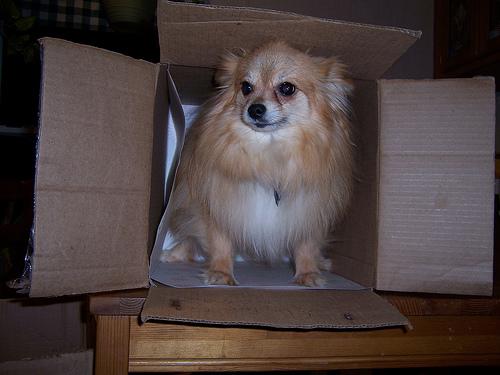
What is the Pomeranian?
The Pomeranian is a dog breed from Pomerania region, Poland & Germany with about 22-26 cm (8.5-10 in) at withers tall, about 1.4-3.2 kg (3-7 lbs), a double coat, abundant & textured, highly plumed tail coat, and a typical lifespan of 12-14 years.
Pomerania region, Poland & Germany
12-14 years
1.4-3.2 kg (3-7 lbs)
22-26 cm (8.5-10 in) at withers
Double coat, abundant & textured, highly plumed tail
Widest variety of any breed—orange, black, cream, red, blue merle & more
What is the Pomeranian temperament?
Pomeranians are alert, spirited little dogs with big personalities.
They're aware of their surroundings and quick to bark at new stimuli, a trait that can easily develop into excessive barking if not managed. Despite their small size, they're somewhat territorial and defensive, making them surprisingly confident watchdogs. Their bold nature and keen awareness make them entertaining companions who rarely go unnoticed.
Where did the Pomeranian come from?
The Pomeranian descended from larger Spitz-type dogs, specifically the German Spitz, and is named after the Pomerania region in north-west Poland and north-east Germany.
The breed gained royal popularity in the 18th century, particularly through Queen Victoria, who owned a particularly small red Pomeranian in 1888. This royal endorsement sparked a fashionable trend for smaller dogs, and remarkably, the breed's size decreased by half during Victoria's lifetime alone, establishing the toy variety we know today.
What health and care needs does the Pomeranian have?
Pomeranians have a life expectancy of 12-14 years and are notably predisposed to several health conditions including patellar luxation (knee dislocation), alopecia X, and tracheal collapse.
They also have the smallest average litter sizes of any breed (1.9-2.7 puppies). Merle-colored Pomeranians are at risk for deafness, blindness, and other eye abnormalities, particularly if both parents carry the merle gene.
Which breeds look similar to the Pomeranian?
The Pomeranian is useful to compare with Affenpinscher, Afghan Hound, African Hunting Dog, and Airedale when practicing similar breed recognition.
How hard is the Pomeranian to recognize in BreedGuessr?
The Pomeranian gets easier to recognize in BreedGuessr when players focus on its Pomerania region, Poland & Germany origin, double coat, abundant & textured, highly plumed tail coat, and 22-26 cm (8.5-10 in) at withers outline before choosing an answer.
BreedGuessr reinforces those clues with real dog photos, multiple-choice comparisons, and quick links back to breed guides before you play another round.
What makes the Pomeranian memorable?
A memorable Pomeranian fact is this: Queen Victoria's adoption of a small red Pomeranian in 1888 made red the fashionable color virtually overnight.
- Queen Victoria's adoption of a small red Pomeranian in 1888 made red the fashionable color virtually overnight.
- The Pomeranian comes in the widest variety of colors of any dog breed, including orange, blue, sable, brindle, parti, and blue merle.
- During Queen Victoria's lifetime alone, the breed's size decreased by half, turning a medium dog into today's toy breed.
- Pomeranians have one of the highest rates of patellar luxation among all dog breeds—up to 75% in some studies.
- Despite weighing only 3-7 pounds, Pomeranians are confident, territorial watchdogs with surprisingly loud barks.
- Pomeranians are one of the only breeds where being born to two merle parents can cause serious skeletal, cardiac, and reproductive abnormalities.
Source: Wikipedia. Image: Wikimedia Commons (CC BY-SA 3.0)