Pug
The Charming Chinese Companion
By BreedGuessr · Dog breed learning game maintainers · Published · Updated
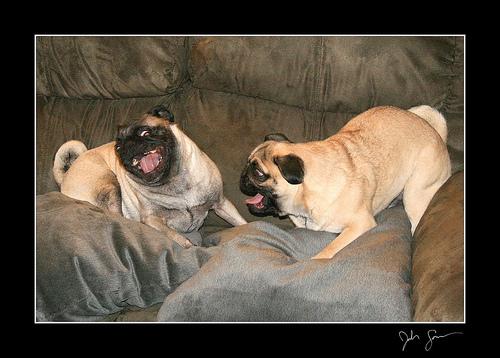
What is the Pug?
The Pug is a dog breed from China, 400 B.C. with about 10-11 inches tall, about 14-18 lbs, a smooth, glossy; fawn or black coat, and a typical lifespan of 12-15 years.
China, 400 B.C.
12-15 years
14-18 lbs
10-11 inches
Smooth, glossy; fawn or black
Compact, square, muscular
What is the Pug temperament?
Pugs are the ultimate companion dogs, embodying the Latin motto "multum in parvo"—much in little.
These charming, even-tempered dogs are deeply intuitive and sensitive to their owners' moods, thriving on human companionship and eager to please. Playful yet gentle, Pugs are famous for being "shadows" that follow their owners everywhere, craving constant attention and affection. Their sociable nature makes them perfect for families and individuals seeking a devoted lapdog who genuinely enjoys being close to the action.
Where did the Pug come from?
An ancient breed with roots tracing back to 400 B.C.
in China, Pugs were highly treasured companion dogs in their homeland for centuries. They were brought to Europe in the sixteenth century and became beloved by European royalty, particularly the House of Orange in the Netherlands and the House of Stuart in England. Queen Victoria's passionate devotion to the breed in the nineteenth century elevated their status further within British aristocracy and ensured their enduring popularity in Western culture.
What health and care needs does the Pug have?
Pugs are susceptible to various health problems due to their distinctive physical traits, particularly their flat, short-muzzled face which can lead to breathing difficulties and heat sensitivity.
Common issues include brachycephalic syndrome, eye problems, and joint concerns. Their wrinkled faces require regular cleaning to prevent skin infections, and they need careful monitoring in hot weather to avoid overheating.
Which breeds look similar to the Pug?
The Pug is useful to compare with Affenpinscher, Afghan Hound, African Hunting Dog, and Airedale when practicing similar breed recognition.
How hard is the Pug to recognize in BreedGuessr?
The Pug gets easier to recognize in BreedGuessr when players focus on its China, 400 B.C. origin, smooth, glossy; fawn or black coat, and 10-11 inches outline before choosing an answer.
BreedGuessr reinforces those clues with real dog photos, multiple-choice comparisons, and quick links back to breed guides before you play another round.
What makes the Pug memorable?
A memorable Pug fact is this: The name 'Pug' may come from the Latin word 'pugnus' meaning 'fist,' as early Pugs' heads supposedly resembled a closed fist when viewed from the side.
- The name 'Pug' may come from the Latin word 'pugnus' meaning 'fist,' as early Pugs' heads supposedly resembled a closed fist when viewed from the side.
- Pugs have two distinct ear types: 'rose' ears and 'button' ears, with breeders preferring the button style.
- Their lower teeth normally protrude further than their upper teeth, giving them a characteristic underbite.
- The iconic curled tail typically curls tightly over the hip and features a black line (called a 'trace') running from the base to the spine.
- Famous artist William Hogarth painted his Pug named Trump in 1745, immortalizing the breed in art history.
- Pugs come in fawn (light brown), apricot fawn, silver fawn, or black, with black markings on the fawn-colored dogs that create dramatic contrast.
Source: Wikipedia. Image: Wikimedia Commons (CC BY-SA 3.0)