Schipperke
The Little Shepherd
By BreedGuessr · Dog breed learning game maintainers · Published · Updated
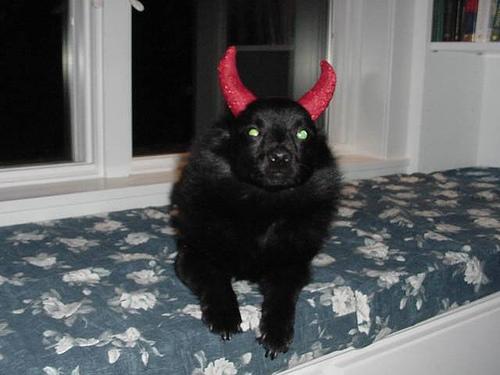
What is the Schipperke?
The Schipperke is a dog breed from Flanders, Belgium (1600s) with about 3-9 lbs (1.4-4 kg), a double coat, usually black coat, and a typical lifespan of 13 years (some reach 18-19).
Flanders, Belgium (1600s)
13 years (some reach 18-19)
3-9 lbs (1.4-4 kg)
Double coat, usually black
Long ruff neck, culottes on hind legs
Spitz family, small shepherd
What is the Schipperke temperament?
Schipperkes are spirited, curious, and alert little dogs with big personalities packed into compact frames.
Originally bred as small shepherds in Belgium, they're energetic and intelligent with a strong instinct to work and explore. Despite their diminutive size, they're surprisingly bold and fearless, making excellent watchdogs for their size. They thrive on activity and engagement, and without proper exercise and mental stimulation, they can become destructive or problematic.
Where did the Schipperke come from?
The Schipperke originated in Flanders during the 1600s and became recognized as a formal breed in the 1880s, with their breed standard established in 1889.
Their name means "little shepherd" in Flemish, reflecting their historical role as small herding dogs in the areas of Leuven and Brussels, though they were sometimes seen on barges. DNA research has confirmed their close relationship to the Spitz family. Much of their early history was documented in the French magazine Chasse et Pêche, with articles translated and published in English periodicals like The Stockkeeper.
What health and care needs does the Schipperke have?
The Schipperke is generally a healthy breed with a median lifespan of 13 years and some individuals living into their late teens.
However, they are prone to specific orthopedic issues including luxating patella and Legg-Perthes syndrome, and some demonstrate epilepsy tendencies. A genetic mutation called MPS IIIB occurs in up to 15% of the breed population and causes serious neurological problems; regular exercise and proper weight management are essential to prevent joint and health issues.
Which breeds look similar to the Schipperke?
The Schipperke is useful to compare with Briard, German Shepherd, Affenpinscher, and Afghan Hound when practicing similar breed recognition.
How hard is the Schipperke to recognize in BreedGuessr?
The Schipperke gets easier to recognize in BreedGuessr when players focus on its Flanders, Belgium (1600s) origin and double coat, usually black coat before choosing an answer.
BreedGuessr reinforces those clues with real dog photos, multiple-choice comparisons, and quick links back to breed guides before you play another round.
What makes the Schipperke memorable?
A memorable Schipperke fact is this: The name "Schipperke" can mean either "little boatman" or "little shepherd" depending on the regional Flemish dialect.
- The name "Schipperke" can mean either "little boatman" or "little shepherd" depending on the regional Flemish dialect.
- They were historically called "Spitzke" or "Moorke" (meaning "little black") before the Schipperke name became official.
- A Schipperke's distinctive long neck ruff and rear "culottes" (longer fur on hind legs) are defining breed characteristics.
- DNA research shows Schipperkes have a rising rate of inbreeding in their population, making genetic health screening important.
- The breed's primary orthopedic condition, MPS IIIB, is unique to Schipperkes and has no known cure or treatment.
Source: Wikipedia. Image: Wikimedia Commons (CC BY-SA 3.0)