Scottish Deerhound
The Noble Highland Hunter
By BreedGuessr · Dog breed learning game maintainers · Published · Updated
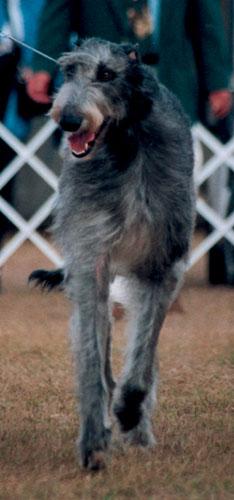
What is the Scottish Deerhound?
The Scottish Deerhound is a dog breed from Scotland, Highland Glens with about 30+ inches (males), 28+ inches (females) tall, about 85-110 lbs, a rough, wiry, with soft mane and beard coat, and a typical lifespan of 9-11 years.
Scotland, Highland Glens
30+ inches (males), 28+ inches (females)
85-110 lbs
9-11 years
Rough, wiry, with soft mane and beard
Red deer hunting by coursing
What is the Scottish Deerhound temperament?
Scottish Deerhounds are noble and dignified sighthounds with a gentle, sensitive disposition despite their hunting heritage.
They are loyal and affectionate with their families, forming strong bonds and preferring close companionship over independence. These intelligent dogs combine the speed and grace of a greyhound with a larger frame and calm temperament, making them surprisingly gentle couch companions. They retain their prey drive and love to chase, but respond well to training from owners who understand their independent thinking and need for both physical exercise and quiet cuddle time.
Where did the Scottish Deerhound come from?
While ancient Scottish stones from around 1200 years ago depict large dogs hunting deer, the modern Scottish Deerhound breed emerged in the early 19th century, recognized as distinct from English regional greyhounds like the Highland greyhound.
These dogs were the foundation breed for the modern Irish Wolfhound in the late 19th century and were so prized that Queen Anne of Denmark gifted them to her brother Christian IV. The breed's decline began in the 1880s as estates were subdivided and hunting methods shifted from coursing to stalking with rifles, requiring only tracking dogs rather than swift hunters. A dedicated group of enthusiasts preserved the breed by transitioning them from working hunters to show dogs.
What health and care needs does the Scottish Deerhound have?
Scottish Deerhounds are generally hardy dogs adapted to harsh Highland conditions, but their large size predisposes them to certain health concerns common in deep-chested sighthounds.
Heart conditions, bone and joint issues, and certain cancers can occur in the breed. Regular veterinary checkups and responsible breeding practices are important for maintaining the health of these noble dogs.
Which breeds look similar to the Scottish Deerhound?
The Scottish Deerhound is useful to compare with Afghan Hound, Beagle, Black-and-tan Coonhound, and Bloodhound when practicing similar breed recognition.
How hard is the Scottish Deerhound to recognize in BreedGuessr?
The Scottish Deerhound gets easier to recognize in BreedGuessr when players focus on its Scotland, Highland Glens origin, rough, wiry, with soft mane and beard coat, and 30+ inches (males), 28+ inches (females) outline before choosing an answer.
BreedGuessr reinforces those clues with real dog photos, multiple-choice comparisons, and quick links back to breed guides before you play another round.
What makes the Scottish Deerhound memorable?
A memorable Scottish Deerhound fact is this: Scottish Deerhounds were so prized by nobility that Queen Anne of Denmark sent them as royal gifts to the King of Denmark in the early 1600s.
- Scottish Deerhounds were so prized by nobility that Queen Anne of Denmark sent them as royal gifts to the King of Denmark in the early 1600s.
- Unlike greyhounds, Deerhounds perform better on rough, hilly terrain and can actually outrun a greyhound on uneven ground due to their larger, more heavily-boned frame.
- Teddy Roosevelt documented that Canadian and American hunters used rough-coated Scottish Deerhounds to hunt wolves and deer in North America.
- One successful deer chase rarely lasted more than a few minutes—the dogs would run down a red deer by sheer speed if they got close enough.
- In Australia, Deerhounds were historically crossed with other breeds to create 'Kangaroo Dogs' specifically for hunting kangaroos and wild boar.
- The breed nearly vanished in the late 1800s when Scottish sporting estates were split up and hunters switched to rifles, leaving only a handful of enthusiasts to save them.
Source: Wikipedia. Image: Wikimedia Commons (CC BY-SA 3.0)