Shih-Tzu
The Lion Dog of Tibet
By BreedGuessr · Dog breed learning game maintainers · Published · Updated
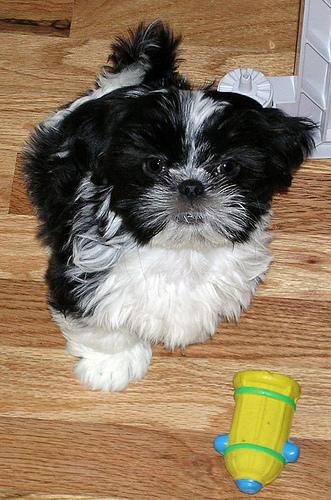
What is the Shih-Tzu?
The Shih-Tzu is a dog breed from Tibet & China (Ming Dynasty) with about up to 10 inches (26.7 cm) tall, about 9-17 lbs (4.0-7.5 kg), a long, soft double coat, any color coat, and a typical lifespan of 10-18 years.
Tibet & China (Ming Dynasty)
10-18 years
Up to 10 inches (26.7 cm)
9-17 lbs (4.0-7.5 kg)
Long, soft double coat, any color
Affectionate, loyal companion
What is the Shih-Tzu temperament?
Shih Tzus are charming, affectionate lapdogs with big personalities packed into tiny frames.
They're known for being friendly and outgoing, thriving on human companionship and attention from their families. Despite their delicate appearance, they're sturdy little dogs with surprising confidence and independence, often displaying playful and sometimes stubborn streaks. These dogs love being the center of attention and make excellent companions for families who can dedicate time to grooming and socialization.
Where did the Shih-Tzu come from?
The Shih Tzu originated in Tibet and was believed to be created by crossing Pekingese and Lhasa Apso dogs.
During the Ming Dynasty, these dogs became treasured companions of Chinese royalty, so prized that the imperial court strictly prohibited their sale or export for years. The Dowager Empress Cixi even established a dedicated breeding program, and court eunuchs bred them to gain favor with the Emperor. The breed didn't reach Europe until the 1920s-1930s when Lady Brownrigg brought the first two to England in 1928, and they were recognized by the American Kennel Club in 1969.
What health and care needs does the Shih-Tzu have?
Shih Tzus require regular grooming every 2-3 days to prevent their long coats from matting and tangling.
The breed's small size and flat face make them sensitive to heat and exercise intolerance, requiring careful monitoring in warm weather. Common health concerns include eye problems, ear infections, and dental issues that owners should watch for regularly.
Which breeds look similar to the Shih-Tzu?
The Shih-Tzu is useful to compare with Affenpinscher, Afghan Hound, African Hunting Dog, and Airedale when practicing similar breed recognition.
How hard is the Shih-Tzu to recognize in BreedGuessr?
The Shih-Tzu gets easier to recognize in BreedGuessr when players focus on its Tibet & China (Ming Dynasty) origin, long, soft double coat, any color coat, and up to 10 inches (26.7 cm) outline before choosing an answer.
BreedGuessr reinforces those clues with real dog photos, multiple-choice comparisons, and quick links back to breed guides before you play another round.
What makes the Shih-Tzu memorable?
A memorable Shih-Tzu fact is this: The name 'Shih Tzu' means 'lion' in Mandarin Chinese, as the breed was specifically developed to resemble lions in traditional Oriental art.
- The name 'Shih Tzu' means 'lion' in Mandarin Chinese, as the breed was specifically developed to resemble lions in traditional Oriental art.
- They were nicknamed the 'Chrysanthemum Dog' in 1930s England because their hair naturally spreads around their face like flower petals.
- Chinese royalty considered these dogs so valuable that they were forbidden from being sold, traded, or given away for centuries.
- In contemporary Mandarin, the Shih Tzu is called the 'Xi Shi dog,' named after one of the most beautiful women in ancient Chinese history.
- Their distinctive underbite and features were poetically described by the Chinese as 'frog mouths' and 'earthworm lips.'
- The first Shih Tzus to arrive in Europe were initially misclassified as 'Apsos' until 1935 when they were recognized as a distinct breed.
Source: Wikipedia. Image: Wikimedia Commons (CC BY-SA 3.0)