Siberian Husky
The Arctic Sled Dog
By BreedGuessr · Dog breed learning game maintainers · Published · Updated
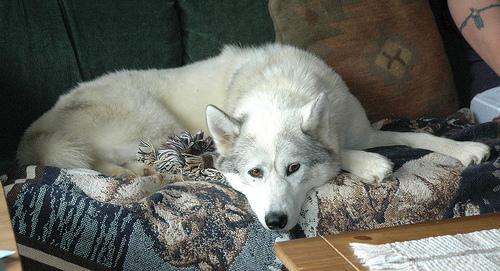
What is the Siberian Husky?
The Siberian Husky is a dog breed from Chukchi Peninsula, Eastern Siberia with about 20-23.5 inches tall, about 35-60 lbs, a double coat, cold-resistant coat, and a typical lifespan of 12-14 years.
Chukchi Peninsula, Eastern Siberia
12-14 years
Medium
35-60 lbs
20-23.5 inches
Double coat, cold-resistant
What is the Siberian Husky temperament?
Siberian Huskies are active, energetic, and resilient dogs with friendly, outgoing personalities that make them excellent family companions.
They thrive on social interaction and pack dynamics, displaying both loyalty and independence. These intelligent dogs possess a strong prey drive and need substantial physical exercise and mental stimulation to prevent destructive behavior. Known for their playful nature and mischievous streak, they're excellent escape artists who will test boundaries. Despite their working dog heritage, they form deep bonds with their families and are remarkably gentle with children.
Where did the Siberian Husky come from?
The Siberian Husky was originally developed by the Chukchi people of the Chukchi Peninsula in eastern Siberia, where they served as essential sled dogs for transportation and companionship in one of Earth's harshest environments.
Brought to Nome, Alaska in 1908 during the gold rush by Russian fur trader William Goosak, they quickly became invaluable for mining operations and Arctic expeditions. The breed gained international fame through sled dog racing competitions, establishing themselves as premier working dogs. Genetic evidence reveals their lineage traces back over 9,500 years to ancient Lake Baikal dogs, making them one of the oldest dog breeds still recognized today.
What health and care needs does the Siberian Husky have?
Siberian Huskies are generally healthy dogs with few breed-specific conditions, though hip dysplasia and eye problems like corneal dystrophy can occur.
Their thick double coats require consistent grooming to prevent matting and manage the substantial seasonal shedding they experience. They're prone to high energy levels and can develop behavioral issues without adequate exercise, so prospective owners should be prepared for their demanding exercise requirements.
Which breeds look similar to the Siberian Husky?
The Siberian Husky is useful to compare with Affenpinscher, Afghan Hound, African Hunting Dog, and Airedale when practicing similar breed recognition.
How hard is the Siberian Husky to recognize in BreedGuessr?
The Siberian Husky gets easier to recognize in BreedGuessr when players focus on its Chukchi Peninsula, Eastern Siberia origin, double coat, cold-resistant coat, and 20-23.5 inches outline before choosing an answer.
BreedGuessr reinforces those clues with real dog photos, multiple-choice comparisons, and quick links back to breed guides before you play another round.
What makes the Siberian Husky memorable?
A memorable Siberian Husky fact is this: Siberian Huskies can withstand Arctic temperatures as low as -60°F (-51°C) thanks to their incredibly thick double coat.
- Siberian Huskies can withstand Arctic temperatures as low as -60°F (-51°C) thanks to their incredibly thick double coat.
- They carry 1-3% genetic material from the now-extinct Taimyr wolf of North Asia, which helped them adapt to extreme high-latitude environments.
- A 'wooly' or 'woolie' coat is considered a fault in breed standards because it lacks proper protection and causes the dog to overheat during serious sled work.
- Their lineage can be traced back over 9,500 years to ancient Lake Baikal dogs in Siberia, making them one of the oldest recognizable dog breeds.
- Today's Siberian Huskies have split into four genetically distinct populations: show dogs, pet dogs, racing sled dogs, and Seppala Siberian Huskies.
- Indigenous Siberian peoples including the Chukchi, Koryak, Yukaghir, and Kamchadal all bred these dogs for sled pulling and survival in harsh Arctic conditions.
Source: Wikipedia. Image: Wikimedia Commons (CC BY-SA 3.0)