Soft-coated Wheaten Terrier
The Poor Man’s Wolfhound
By BreedGuessr · Dog breed learning game maintainers · Published · Updated
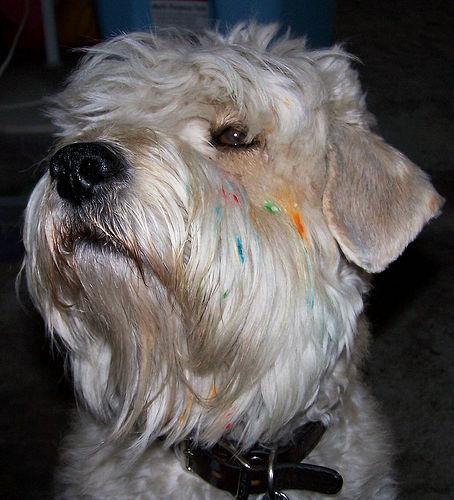
What is the Soft-coated Wheaten Terrier?
The Soft-coated Wheaten Terrier is a dog breed from Ireland with about 17-19 inches tall, about 30-40 pounds, and a typical lifespan of 12-14 years.
Ireland
12-14 years
17-19 inches
30-40 pounds
Silky, wheat-colored
Minimal (grows like human hair)
What is the Soft-coated Wheaten Terrier temperament?
Soft-coated Wheaten Terriers are friendly, playful, and sociable dogs that get along wonderfully with children and other dogs.
They're intelligent and eager to please, responding best to praise and making them surprisingly easy to train for their terrier heritage. These dogs are energetic and versatile, excelling in obedience, agility, and even animal-assisted therapy. Their affectionate nature combined with their quick minds makes them ideal family companions who thrive on interaction and mental stimulation.
Where did the Soft-coated Wheaten Terrier come from?
Bred in Ireland for over two centuries as all-purpose farm dogs, Wheatens were named the "Poor Man's Wolfhound" because common farmers couldn't legally own hunting dogs like Irish Wolfhounds, so they developed this versatile breed instead.
Originally performing duties ranging from herding and guarding livestock to hunting vermin, the breed wasn't officially recognized by the Irish Kennel Club until 1937, despite its long history. The breed gained international recognition in the 1940s-1970s, being accepted by the British Kennel Club in 1943 and the American Kennel Club in 1973. Today, they're celebrated competitors in modern dog sports and therapy work.
What health and care needs does the Soft-coated Wheaten Terrier have?
Soft-coated Wheaten Terriers are generally healthy dogs, though they require consistent grooming to prevent matting due to their continuously growing coats.
Their soft, silky hair needs daily brushing and regular professional trimming to maintain coat health. As with most breeds, prospective owners should source puppies from reputable breeders and request health clearances.
Which breeds look similar to the Soft-coated Wheaten Terrier?
The Soft-coated Wheaten Terrier is useful to compare with Airedale, American Staffordshire Terrier, Australian Terrier, and Bedlington Terrier when practicing similar breed recognition.
How hard is the Soft-coated Wheaten Terrier to recognize in BreedGuessr?
The Soft-coated Wheaten Terrier gets easier to recognize in BreedGuessr when players focus on its Ireland origin and 17-19 inches outline before choosing an answer.
BreedGuessr reinforces those clues with real dog photos, multiple-choice comparisons, and quick links back to breed guides before you play another round.
What makes the Soft-coated Wheaten Terrier memorable?
A memorable Soft-coated Wheaten Terrier fact is this: Wheaten puppies are born with dark red, brown, or mahogany coats that gradually fade to nearly white before maturing into their signature wheat color by age 3.
- Wheaten puppies are born with dark red, brown, or mahogany coats that gradually fade to nearly white before maturing into their signature wheat color by age 3.
- They were historically docked (tails cut) in Ireland to avoid taxes, and size was carefully controlled to meet specific requirements.
- Their coat grows continuously like human hair and Poodle fur, meaning they shed minimally but need daily brushing to prevent mats.
- The breed shares common ancestry with the Kerry Blue Terrier and Irish Terrier but was deliberately bred for common farmers rather than nobility.
- They're versatile enough to compete in obedience, agility, tracking, herding trials, and animal-assisted therapy all in the modern era.
- If a Wheaten gets a skin injury, the new hair that grows in will be the dark color of their puppy coat before eventually growing out to wheat-colored.
Source: Wikipedia. Image: Wikimedia Commons (CC BY-SA 3.0)