Staffordshire Bullterrier
The People’s Pit Bull
By BreedGuessr · Dog breed learning game maintainers · Published · Updated
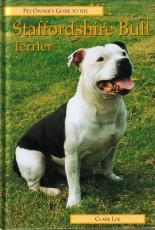
What is the Staffordshire Bullterrier?
The Staffordshire Bullterrier is a dog breed from Staffordshire, England (1800s) with about 14-16 inches tall, about 24-38 pounds, a short, smooth, glossy coat, and a typical lifespan of 12-14 years.
Staffordshire, England (1800s)
12-14 years
14-16 inches
24-38 pounds
Short, smooth, glossy
Small to Medium
What is the Staffordshire Bullterrier temperament?
Staffordshire Bull Terriers are confident, affectionate companions with infectious enthusiasm and a playful spirit.
Despite their muscular build and tough ancestry, they're known as "nanny dogs" for their gentleness and patience with children, making them surprisingly sensitive and loyal family members. They possess natural gameness from their terrier heritage but have been selectively bred to be friendly and trustworthy. These dogs thrive on human companionship and are eager to please, though they can be stubborn at times. Their courage and resilience make them fearless, yet they're surprisingly affectionate and love being the center of attention.
Where did the Staffordshire Bullterrier come from?
The Staffordshire Bull Terrier emerged in 19th-century England, specifically in the industrial regions of Staffordshire and Birmingham, where they were developed by crossing bulldogs with terriers.
This hybrid was created when blood sports like bull-baiting and bear-baiting were outlawed in 1835, leading breeders to match dogs against each other instead—breeding for agility, gameness, and smaller, more athletic frames than heavier bulldogs. The breed was officially recognized by The Kennel Club of Great Britain in 1935, establishing them as a distinct purebred distinct from their cousin, the Bull Terrier. British immigrants brought these dogs to America before the Civil War, where they became ancestral progenitors of several modern breeds including the American Staffordshire Terrier and American Pit Bull Terrier.
What health and care needs does the Staffordshire Bullterrier have?
Staffordshire Bull Terriers are generally healthy dogs but can be prone to hip dysplasia, elbow dysplasia, and heart conditions like aortic stenosis.
Responsible breeding has helped minimize genetic issues, though potential owners should seek breeders who conduct health screenings. Their short coats require minimal grooming, but they need regular exercise to maintain healthy weight and prevent obesity-related problems.
Which breeds look similar to the Staffordshire Bullterrier?
The Staffordshire Bullterrier is useful to compare with Airedale, American Staffordshire Terrier, Australian Terrier, and Bedlington Terrier when practicing similar breed recognition.
How hard is the Staffordshire Bullterrier to recognize in BreedGuessr?
The Staffordshire Bullterrier gets easier to recognize in BreedGuessr when players focus on its Staffordshire, England (1800s) origin, short, smooth, glossy coat, and 14-16 inches outline before choosing an answer.
BreedGuessr reinforces those clues with real dog photos, multiple-choice comparisons, and quick links back to breed guides before you play another round.
What makes the Staffordshire Bullterrier memorable?
A memorable Staffordshire Bullterrier fact is this: They were historically known as 'nanny dogs' for their exceptional gentleness and patience with children.
- They were historically known as 'nanny dogs' for their exceptional gentleness and patience with children.
- The breed descended from 19th-century dogs with colorful names like 'Patched Fighting Terrier' and 'Staffordshire Pit-dog'.
- Staffordshire Bull Terriers are one of only a few dog breeds that have been used as therapy and assistance dogs despite their tough appearance.
- At least six modern dog breeds trace their ancestry directly to the original bull and terrier crosses that created the Stafford.
- They were first officially recognized as a purebred in 1935, making them one of the newer established dog breeds.
- The breed shares common ancestry with the Bull Terrier, but the two developed independently and look quite different today.
Source: Wikipedia. Image: Wikimedia Commons (CC BY-SA 3.0)