Standard Schnauzer
Germany’s Bearded Ratting Dog
By BreedGuessr · Dog breed learning game maintainers · Published · Updated
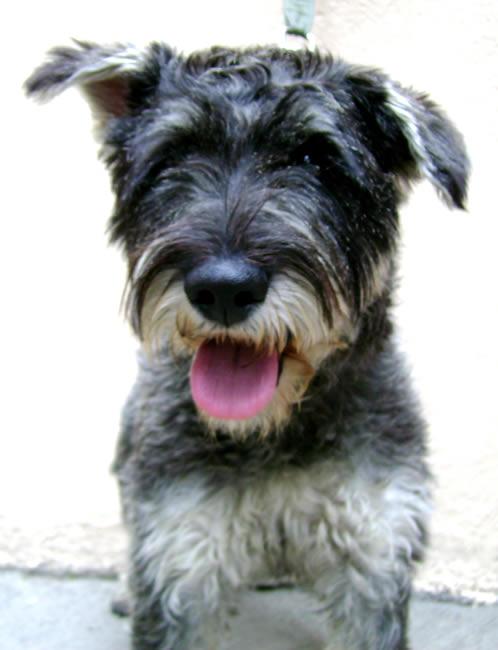
What is the Standard Schnauzer?
The Standard Schnauzer is a dog breed from Southern Germany, 1880s with about 30-50 lbs, a salt-and-pepper or black, wiry coat, and a typical lifespan of 12-14 years.
Southern Germany, 1880s
12-14 years
Medium, squarely-built
30-50 lbs
Salt-and-pepper or black, wiry
Abundant bristly beard and whiskers
What is the Standard Schnauzer temperament?
The Standard Schnauzer is an intelligent, alert working dog with a spirited and confident personality.
These robust dogs are naturally protective and make excellent watchdogs, combining vigilance with a playful, affectionate nature toward their families. They're clever problem-solvers with plenty of energy, requiring regular mental and physical stimulation to stay happy and well-behaved. Known for their spirited independence, they respond well to firm but fair training and thrive with owners who appreciate their strong-willed character.
Where did the Standard Schnauzer come from?
Originating in southern Germany during the 1880s, the Standard Schnauzer evolved from rough-haired Pinscher types that were traditionally kept as carriage and stable dogs.
The breed's development was formally documented when a dog named 'Schnautzer' won first place at the 1879 Hanover dog show, and the official breed name was established in 1917 when the Rauhaarige Pinscher was officially renamed Schnauzer. Recognized by the FCI in 1955, the breed became popular in the United States, with a Schnauzer famously winning Best in Show at Westminster in 1997, though today the pepper-and-salt variety is considered endangered in Germany.
What health and care needs does the Standard Schnauzer have?
Standard Schnauzers are generally healthy, robust dogs, though they can be prone to hip dysplasia and eye conditions like cataracts.
Regular veterinary check-ups, maintaining a healthy weight, and proper exercise are important for their wellbeing. Responsible breeding practices are essential, particularly given the breed's endangered status in Germany.
Which breeds look similar to the Standard Schnauzer?
The Standard Schnauzer is useful to compare with Giant Schnauzer, Miniature Schnauzer, Affenpinscher, and Afghan Hound when practicing similar breed recognition.
How hard is the Standard Schnauzer to recognize in BreedGuessr?
The Standard Schnauzer gets easier to recognize in BreedGuessr when players focus on its Southern Germany, 1880s origin and salt-and-pepper or black, wiry coat before choosing an answer.
BreedGuessr reinforces those clues with real dog photos, multiple-choice comparisons, and quick links back to breed guides before you play another round.
What makes the Standard Schnauzer memorable?
A memorable Standard Schnauzer fact is this: The breed name likely comes from the German word 'Schnauze' meaning 'snout,' though the exact origin is unknown.
- The breed name likely comes from the German word 'Schnauze' meaning 'snout,' though the exact origin is unknown.
- In the same litter, rough-haired and smooth-haired puppies could occur, with the rough-haired type becoming the Schnauzer we know today.
- Originally excellent ratters, Schnauzers were kept on farms and in stables across southern Germany to control rodent populations.
- The pepper-and-salt coloring was most popular between the World Wars, but after WWII, black Schnauzers became the preferred color.
- In 2022, the pepper-and-salt Schnauzer was classified as 'endangered' in Germany, with only 201 puppies born in 26 litters in 2018.
- The distinctive beard and whiskers are typically lighter in color than the rest of the coat, a hallmark characteristic of the breed.
Source: Wikipedia. Image: Wikimedia Commons (CC BY-SA 3.0)