Walker Hound
The Premier Coonhound Tracker
By BreedGuessr · Dog breed learning game maintainers · Published · Updated
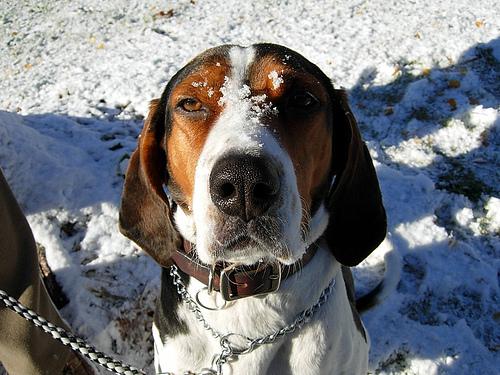
What is the Walker Hound?
The Walker Hound is a dog breed from Kentucky, USA (1850s) with about 20-27 inches tall, about 50-70 pounds, a smooth, glossy; tricolor or bicolor coat, and a typical lifespan of 12-13 years.
Kentucky, USA (1850s)
12-13 years
20-27 inches
50-70 pounds
Smooth, glossy; tricolor or bicolor
Hunting raccoons and small game
What is the Walker Hound temperament?
Treeing Walker Coonhounds are intelligent, loving, and confident companions that thrive when given purpose.
On the hunt, they transform into tireless, intense trackers with an incredible sense of smell and a distinctive bay that carries for miles. At home, they're surprisingly mellow and affectionate lovers of comfort who bond deeply with their families. They're patient with children and other dogs, though their hunting instincts mean they should be supervised around small animals. These dogs need owners who understand their working heritage and can provide adequate outlets for their boundless energy.
Where did the Walker Hound come from?
Developed in 19th-century Kentucky by breeders John W.
Walker and George Washington Maupin, the Treeing Walker Coonhound owes much of its distinctive character to a stolen dog named Tennessee Lead, crossed into the Walker hound line in 1852. Originally known as Walker Hounds, they were first recognized by the United Kennel Club in 1905 as part of the English Coonhound breed. The breed was formally separated and recognized as the Treeing Walker Coonhound in 1945, earning its place as the AKC's 174th recognized breed in 2012.
What health and care needs does the Walker Hound have?
Treeing Walker Coonhounds are generally hardy dogs with a lifespan of 12-13 years.
Blindness or deafness are disqualifying conditions according to breed standards. Prospective owners should ensure these dogs receive adequate exercise and mental stimulation to prevent behavioral issues, as their working drive requires consistent outlets.
Which breeds look similar to the Walker Hound?
The Walker Hound is useful to compare with Afghan Hound, Beagle, Black-and-tan Coonhound, and Bloodhound when practicing similar breed recognition.
How hard is the Walker Hound to recognize in BreedGuessr?
The Walker Hound gets easier to recognize in BreedGuessr when players focus on its Kentucky, USA (1850s) origin, smooth, glossy; tricolor or bicolor coat, and 20-27 inches outline before choosing an answer.
BreedGuessr reinforces those clues with real dog photos, multiple-choice comparisons, and quick links back to breed guides before you play another round.
What makes the Walker Hound memorable?
A memorable Walker Hound fact is this: The breed's distinctive 'bay' on the trail changes to a sharp 'chop' sound when the dog corners prey in a tree, allowing hunters to identify their specific dog from miles away.
- The breed's distinctive 'bay' on the trail changes to a sharp 'chop' sound when the dog corners prey in a tree, allowing hunters to identify their specific dog from miles away.
- Tennessee Lead, the stolen dog that shaped the breed, was crossed into Walker hounds in 1852 and became so influential that the breed wouldn't exist without this single animal.
- Treeing Walker Coonhounds have such strong tracking instincts that they can follow a scent trail with remarkable intensity and determination, tireless in pursuit across any terrain.
- Despite being bred as fierce hunters, these dogs are affectionate, mellow homebodies that love comfort and often become 'sensitive lovers' when not working.
- The breed wasn't officially recognized by the AKC until 2012, making it a relatively newcomer to mainstream dog registries despite having a 160+ year history.
- They excel at hunting medium-sized arboreal prey like raccoons, squirrels, and even larger game like bears and cougars when given the opportunity.
Source: Wikipedia. Image: Wikimedia Commons (CC BY-SA 3.0)